
Ruaha in the Green Season: Tanzania's Best-Kept Secret
August 16, 2026 · Oxpecker Tours
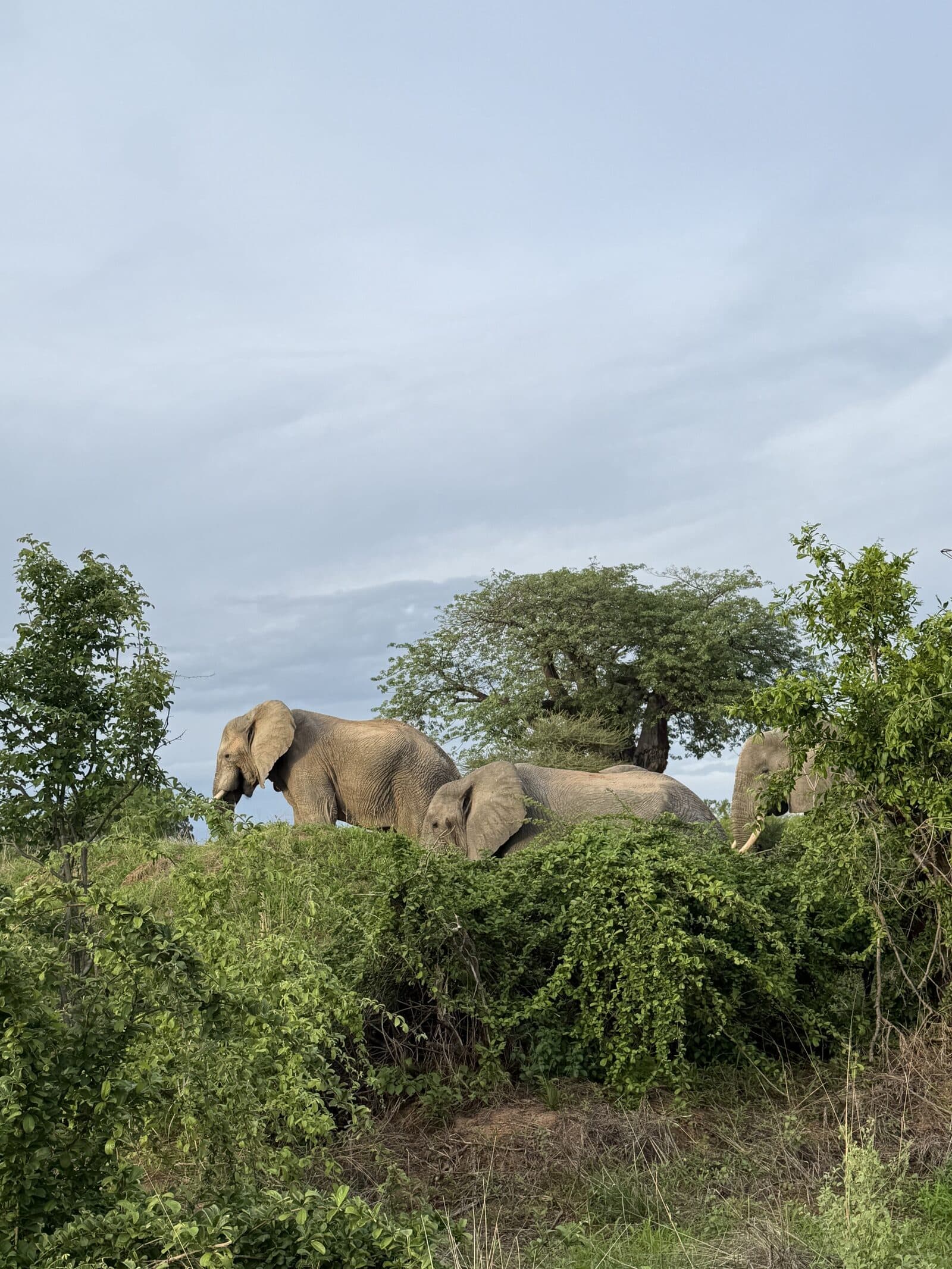
Ask most safari operators when you should visit Ruaha National Park and they'll say June to October. They aren't wrong — the dry season concentrates wildlife around the Great Ruaha River and makes big cats easy to find. But the answer is incomplete, and after years of guiding here we've come to believe the green season deserves a fairer hearing.
From late November through May, Ruaha transforms. The dust gives way to grass, the baobabs leaf out, and the park empties of vehicles. What you trade in guaranteed sightings you gain in atmosphere, photography, and space. This is a guide to deciding whether that trade is right for you.
What the green season actually looks like
The rains arrive in two waves. The short rains (vuli) fall in November and December — brief afternoon storms that pass quickly and leave the light extraordinary. The long rains (masika) run from March into May and are more sustained, though even then a full day of rain is uncommon in Ruaha's rain shadow.
Between them lies January and February: a window that is technically "green season" but often remarkably dry, warm, and clear. Many of our favourite trips have run in early February.
The park's character changes completely:
- The Great Ruaha River runs full, and hippo pods spread out along its length rather than crowding into the last pools.
- Grass grows tall, which does make spotting harder — this is the honest downside.
- Baobabs leaf out, transforming the landscape from skeletal to lush.
- Dust disappears, which matters more than most people expect for photography.
The wildlife trade-off, honestly
We won't pretend game viewing is easier. In the dry season animals must come to water, and that predictability is genuinely valuable if you have three days and a list of species you want to tick off.
In the green season, water is everywhere, so animals disperse. You will work harder for lion. You may not see leopard.
What you get instead:
Newborns everywhere. Most antelope in Ruaha calve at the start of the rains — impala, in particular, drop their young in a tightly synchronised burst. Where there are calves there are predators, and some of the most dramatic hunting we've witnessed has been in February.
Elephants at their best. Ruaha holds one of East Africa's most significant elephant populations, and in the green season they're relaxed, well-fed, and spread across the park in large family groups. Watching a herd move through green grass with baobabs behind them is a different experience to watching them queue at a dry riverbed.
Birds in breeding plumage. Ruaha's bird list runs past 570 species, and the green season brings migrants down from Europe and Asia. Carmine bee-eaters, and the park's dazzling rollers, are at their most photogenic.
Why photographers should pay attention
If you're carrying a camera seriously, the green season is arguably the better choice, and it isn't close.
Dry season light in Ruaha is harsh and flat by mid-morning, with dust hazing everything past a hundred metres. Green season skies produce towering cumulus that catch late light, storms that break dramatically, and air washed clean.
Add saturated green backgrounds instead of grey-brown dust, and animals in good condition with glossy coats, and the difference in your photographs is not subtle.
The practical case
There's no delicate way to put this: it's cheaper. Lodge and camp rates in the green season typically run 20–40% below peak, and availability opens up at properties that are booked a year ahead in August.
You'll also have the park largely to yourself. On a green season game drive it's normal to spend an entire morning without seeing another vehicle. In September, a good leopard sighting can draw six.
Who shouldn't come in the green season
We'd rather you had the right trip than simply booked a trip, so — plainly:
- If this is your only safari ever and you want the highest probability of seeing all of the big cats, come in the dry season.
- If you can't tolerate any disruption to plans, the black cotton soil in parts of the park can become impassable after heavy rain, and routes sometimes change at short notice.
- If you're travelling with very young children who won't manage longer drives to find dispersed wildlife, the dry season is kinder.
For everyone else — particularly returning safari-goers, photographers, birders, and anyone who values solitude — we think the green season is the more rewarding experience.
Where to stay
Oxpecker Camp sits on the doorstep of Ruaha, and we keep it open through the green season precisely because we think this time of year deserves visitors. The camp is small, the guiding is done by people who grew up here, and in February you'll likely have the place to yourself.
If you'd like to talk through whether the green season suits your trip — including the honest reasons it might not — get in touch. We'd rather send you at the right time than simply send you.